

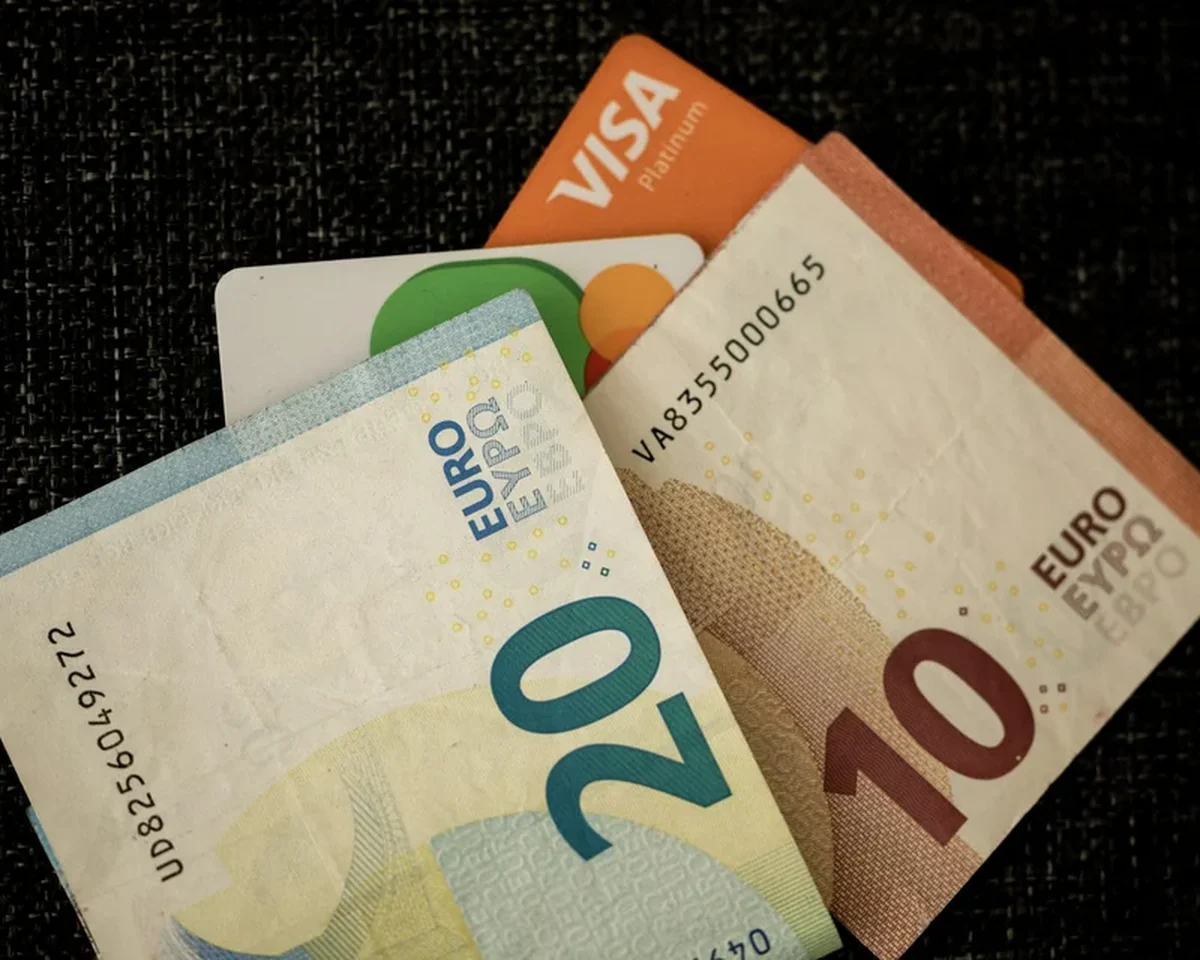
Before you click "submit" on any online loan application, especially from a microfinance organization (MFO), take 15 minutes to run through this practical checklist. The MFO market—particularly in Russia, where platforms like Gosuslugi are used for identity verification—has clear rules and registries. But scammers and unethical lenders exploit urgency. This guide helps you verify the lender, the loan terms, and your own readiness. No one can guarantee loan approval, speed, or government backing. Use this to protect yourself.
1. Verify the Official Domain and Website
What to do:
- Check the website’s URL carefully. Legitimate MFOs in Russia use domains ending in `.ru` or official `.рф`. Look for exact spelling—scammers often swap letters (e.g., `zaym-express.ru` vs. `zaym-exress.ru`).
- Look for a padlock icon in the address bar and click it to confirm the SSL certificate is valid and issued to the company, not a generic name.
- Search for the company name plus “official website” or “site”. Compare the URL to the one shown on the Central Bank of Russia (CBR) registry (see step 4).
- Domain registered less than 6 months ago (use a Whois lookup).
- No contact page or physical address.
- Website uses a free template with broken Russian text.
2. Read the Consent Text Carefully
What to do:
- Before you enter any personal data, find the “Consent to Processing of Personal Data” document. It must be a separate, clickable link—not hidden in fine print.
- Read what data they collect: full name, passport details, SNILS (if in Russia), phone, email, bank card number. Legitimate lenders ask only for what’s needed for verification and credit scoring.
- Check if the consent allows them to share data with third parties (debt collectors, credit bureaus). That’s legal, but it must be stated clearly.
- Consent text is missing or uses vague language like “we may use your data for any purpose.”
- You are asked to agree before you can even view the loan terms.
- The consent includes permission to access your phone contacts or SMS history without a clear legal basis.
3. Confirm the Lender’s Full Legal Identity
What to do:
- Look for the company’s full legal name (e.g., OOO “Microfinance Company X”) and its OGRN (Primary State Registration Number) or INN (Taxpayer Identification Number). This must be on the website footer or in the “About” section.
- Cross-check the OGRN/INN on the Federal Tax Service website (nalog.ru) to confirm the company exists, is not in liquidation, and has the right OKVED code (e.g., 64.92 for consumer lending).
- The website lists only a brand name (e.g., “QuickCash”) with no legal entity.
- The OGRN/INN leads to a different company or is invalid.
- The company is registered in a different country than where it claims to operate.
4. Check the MFO Registry (Central Bank of Russia)
What to do:
- Go to the official Central Bank of Russia website (cbr.ru) and find the “Register of Microfinance Organizations” (Реестр микрофинансовых организаций).
- Search by company name, OGRN, or INN. The registry shows the license number, date of inclusion, and current status (active/suspended/revoked).
- If the lender claims to be part of a self-regulatory organization (SRO), verify that SRO is also listed on the CBR site.
Red flags:
- The lender says “we are not an MFO, we are a private investor” but asks for personal data and repayment. That’s illegal lending.
- The registry shows the company has been suspended or revoked.
- The lender claims to be “under the control of the Central Bank” but is not in the registry.
5. Calculate the Full Cost of the Loan (APR and All Fees)
What to do:
- Legally, the lender must display the “Full Cost of the Loan” (ПСК – Полная стоимость кредита) in a box on the first page of the loan agreement. This includes interest, fees, insurance (if mandatory), and any other charges.
- Be aware that interest rates and fees are subject to regulatory limits that may change. Always verify current caps with the CBR or official sources.
- Use an online loan calculator to double-check: if you borrow 10,000 RUB for 30 days at a given daily rate, calculate the total repayment accordingly. If the lender says you owe significantly more than your calculation, something is wrong.
- The APR is not shown, or is shown only after you apply.
- The agreement includes hidden fees: “service fee,” “processing fee,” “account maintenance fee.”
- Insurance is mandatory but not included in the APR calculation.
6. Assess Your Own Repayment Ability Honestly
What to do:
- Before applying, calculate your monthly income after taxes and essential expenses (rent, utilities, food, transport). Do not include money you don’t have yet.
- As a general guideline, consider that the loan payment (principal + interest) should not exceed a reasonable portion of your disposable income. For example, if you have 30,000 RUB after essentials, a monthly loan payment of no more than 9,000 RUB might be manageable.
- Check if the lender offers a grace period or extension option—but do not rely on it. Assume you must repay on time.
- You are applying for a loan to pay off another loan (debt spiral).
- The lender offers “easy approval” with no income check. That means they will charge high fees and penalties.
- You are unsure how you will repay if you lose your job or have an emergency.
7. Review Card Requirements for Repayment
What to do:
- Most MFOs disburse funds to a bank card (Visa, Mastercard, Mir) or e-wallet. Check that the lender accepts your card type and that the card is active.
- Confirm the repayment method: automatic debit from your card? Manual transfer? If automatic, you must authorize it in the agreement. You have the right to revoke this authorization later.
- Check if there are fees for using certain cards (e.g., 1% for Visa, 0% for Mir). These fees must be disclosed.
- The lender asks for your card’s CVV code or full 16-digit number for “verification” before you even apply. Legitimate lenders need only the card number and expiry for disbursement—never CVV.
- The lender says they need your card to “test” it with a small charge.
- You are asked to pay a “registration fee” or “insurance premium” before receiving the loan. This is a classic scam.
8. Prepare the Required Documents in Advance
What to do:
- Typical MFO requirements: valid passport (with registration page), SNILS (for credit history checks), and sometimes a second ID (driver’s license, foreign passport).
- If the lender requires access to your Gosuslugi account, understand why: they may use it to verify your identity, SNILS, and sometimes income data (via the Federal Tax Service). You must consent to this explicitly. Note that the exact process may vary—verify with official sources.
- Have digital copies ready (scans or photos) in good lighting, with all edges visible.
- The lender asks for documents beyond what is legally required (e.g., notarized power of attorney, bank statements from the last 3 years).
- They ask you to send documents via unsecured email or messaging (WhatsApp, Telegram). Use only the website’s secure upload portal.
- They demand your Gosuslugi login and password. Legitimate lenders use an API that asks for your consent on the Gosuslugi site—they never see your password.
9. Understand Privacy and Data Protection
What to do:
- Read the Privacy Policy (Политика конфиденциальности). It must state how your data is stored, for how long, and whether it is transferred abroad.
- Check if the lender uses encryption (HTTPS, SSL) for all data transmission. Look for “https://” in the URL and a valid security certificate.
- If you are in Russia, the lender must comply with Federal Law No. 152-FZ on Personal Data. They must have a license from Roskomnadzor if they process special categories of data.
- The privacy policy is missing or says “we may share your data with any third party without notice.”
- The lender is based outside Russia and claims to store data on servers abroad (this may violate Russian law).
- You are asked to install a remote access app (e.g., TeamViewer, AnyDesk) for “verification.” This is a major security risk.
10. Identify Common Scam Signals
What to do:
- Search online for the lender’s name plus “scam” or “fraud” (мошенники, обман). Check forums, social media, and review sites like Otzovik or Irecommend.
- Look for complaints about: unauthorized withdrawals, hidden fees, aggressive debt collection, or fake websites.
- If the loan offer seems too good to be true (e.g., 0% interest for 30 days with no check), it’s almost certainly a scam.
- Verify the lender’s phone number and email on the CBR registry. Call the number—if it’s disconnected or goes to a voicemail that doesn’t match the company name, be suspicious.
- The lender contacts you first (via SMS, email, or social media) offering a loan without you applying.
- They pressure you to act “now” because “the offer expires in 1 hour.”
- They ask for an upfront payment (processing fee, insurance, deposit) before you receive the loan.
- The website has poor Russian grammar, spelling mistakes, or uses machine-translated text.
- The lender claims to be “a partner of the government” or “backed by the Central Bank.” No legitimate MFO makes such claims.
Bonus: Verify Support Contacts
What to do:
- Find the lender’s official phone number, email, and physical address on their website. Call the number and see if a real person answers (or at least a professional voicemail).
- Send a test email asking a simple question (e.g., “What documents do I need for a 5,000 RUB loan?”). A legitimate lender will respond within 1-2 business days.
- Check if the physical address exists on Google Maps or Yandex Maps. If it’s a residential building or a virtual office, that’s a red flag.
- The only contact is a chatbot or a form with no direct phone or email.
- The support line is always busy or goes to a generic voicemail.
- The address is a P.O. box or a non-existent location.
Final Word: Do Not Rely on Promises
No legitimate lender can guarantee approval, same-day funding, or government support. If a website promises “instant approval” or “guaranteed loan,” walk away. Use this checklist to verify every claim. Your financial safety is worth 15 minutes of research.
Remember: If you are unsure, do not apply. Contact the Central Bank of Russia hotline or a consumer protection agency for guidance. Your credit history and personal data are too valuable to risk on an unverified lender.
Комментарии (0)